Cornerstone OnDemand, 2025
Reviving subscriptions: a ground-up rebuild that regained user trust
ROLE
Product designer
DURATION
February - May, 2025
TEAM
1 product manager, 7 engineers
My role: As lead product designer, I partnered with the PM to scope a 52-day proof of concept. Through user research, I justified a backend rebuild and owned the full product lifecycle from concept to through launch and beyond, managing ongoing iterations based on user feedback.
CHALLENGE
A product held back by its foundation
Cornerstone OnDemand is a SaaS platform with 450+ extended enterprise clients relying on their learning services. Subscriptions as a product was introduced as a significant growth potential for the company, but its adoption had stalled.
Despite the high demand, only 15 clients enabled the feature.
The legacy backend and outdated interfaces couldn’t support the features clients were requesting and created a gap between demand and what the product could deliver.
SOLUTION
Fix the foundation and the rest will follow
Subscriptions as a product needed more than a facelift to fix the core issues. Through user research and surveys, I built a case for a complete backend rebuild using React. This critical update provided the foundation to introduce meaningful and scalable changes for our clients and learners.
MEASURABLE IMPACT
48+
work tickets resolved
= $7200+ in client savings
9
Backend services
integrated
$73.4M
ARR contribution
Highlights
A product held back by its foundation
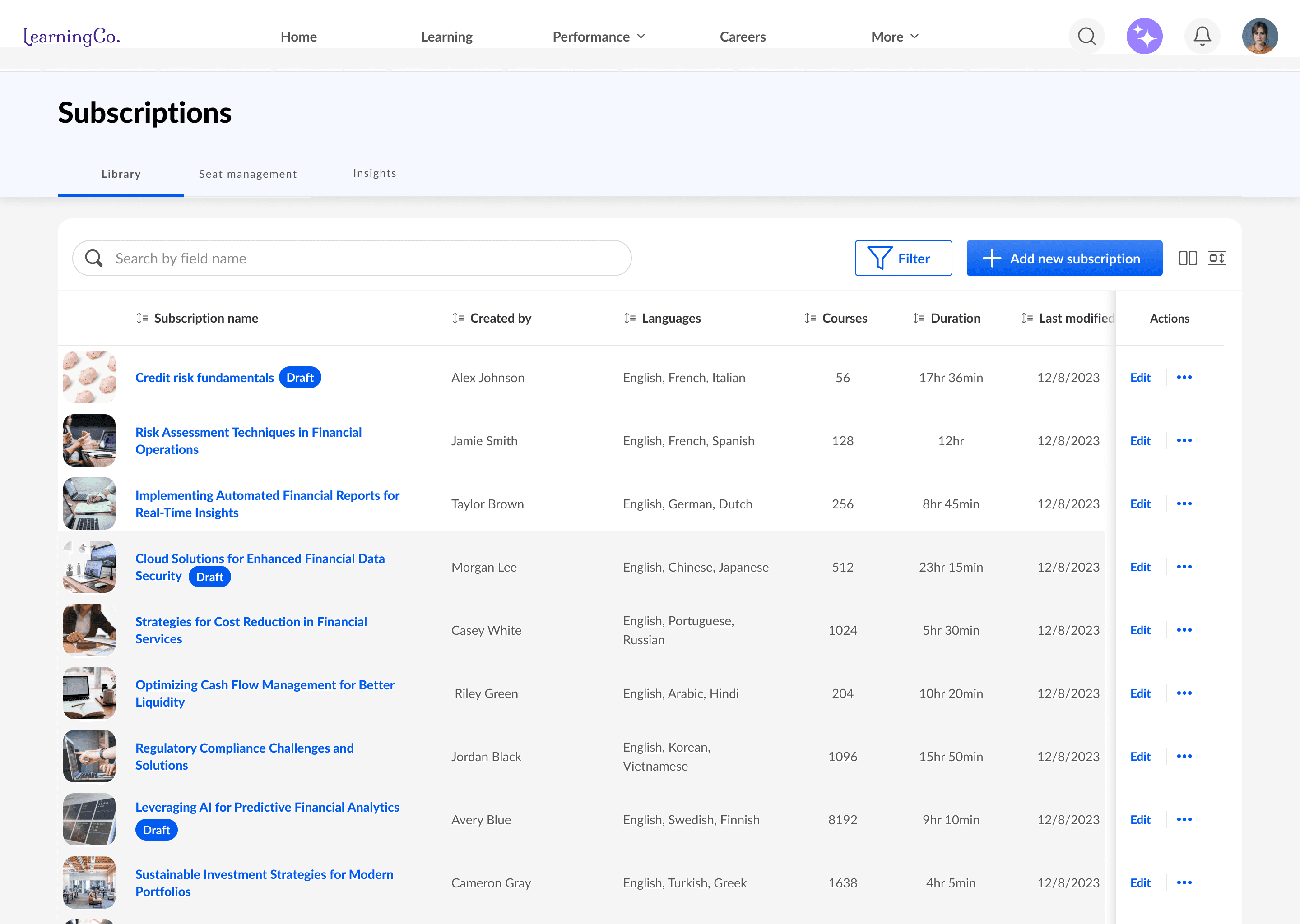
Fig. 00
Anonymous survey response
Fig. 00
Anonymous survey response
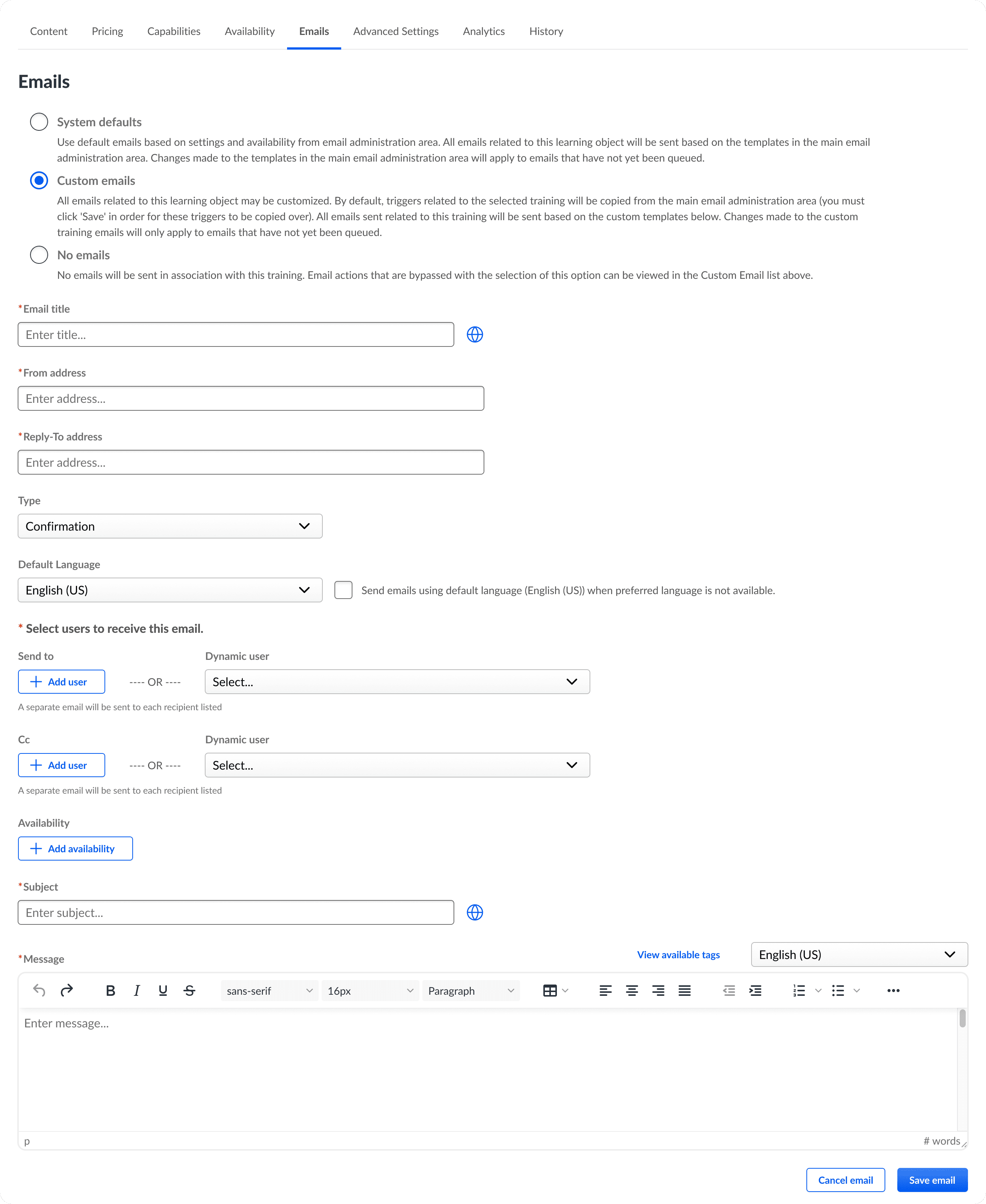
Fig. 00
Anonymous survey response
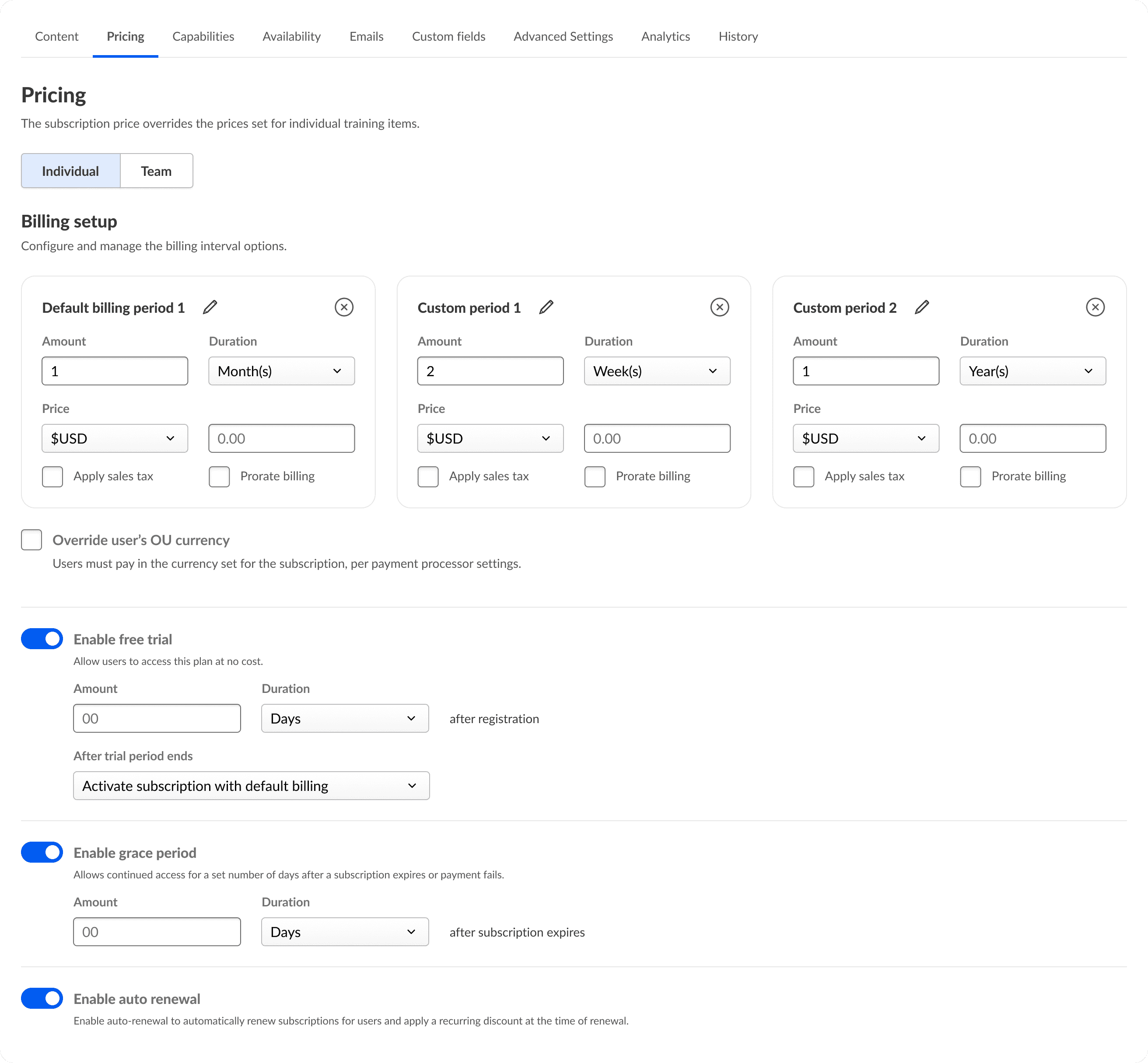
Fig. 00
Anonymous survey response
To start off…
Preparing for subscriptions from setup to consumption was a large endeavor. As a remote team working in different time zones and a tight deadline, being aligned every step of the way was crucial. I followed the double diamond process as a guide to help set expectations for when phases and deliverables should be completed and iterated with the team along the way.
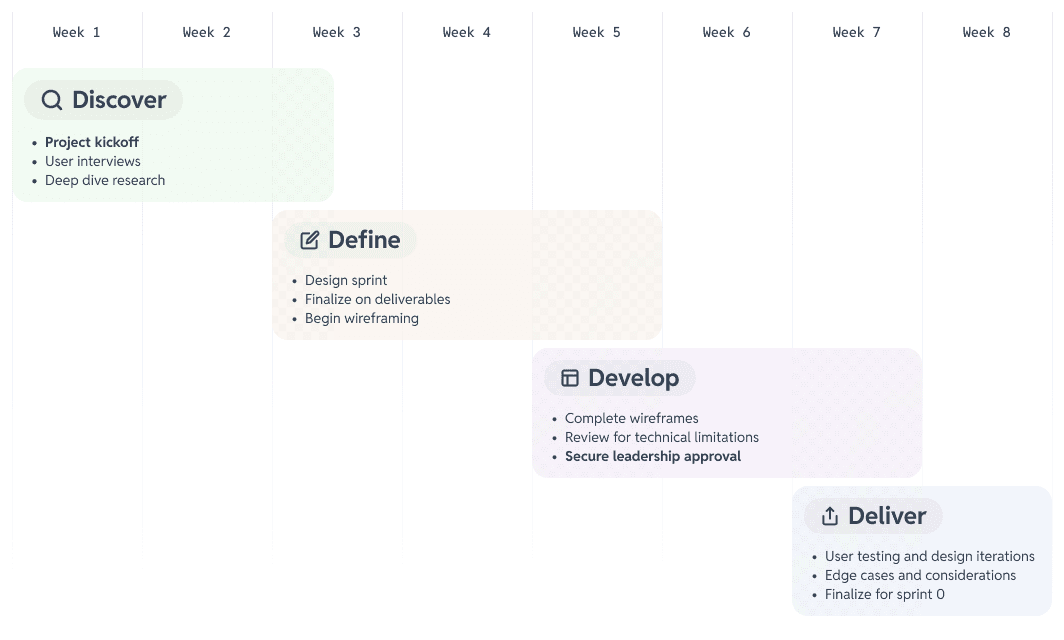
Fig. 00
Project process with timeline
DISCOVER
Why aren’t clients adopting subscriptions?
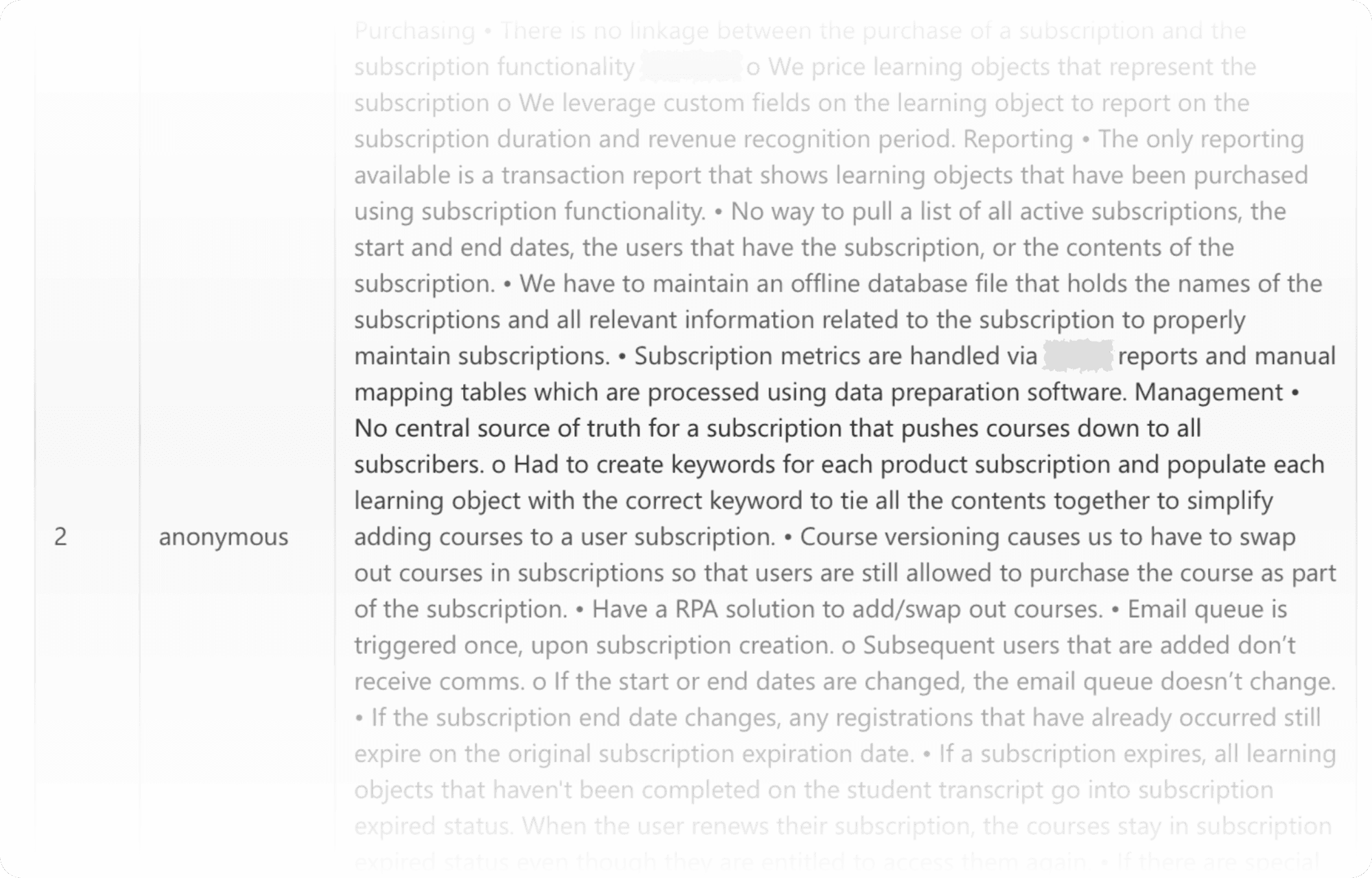
Fig. 00
Anonymous survey response
Only 3% of extended enterprise clients had successfully implemented subscriptions,
while an additional 15% expressed interest but hadn't adopted the product yet. I wanted to understand what barriers prevented adoption and what gaps existed for both groups.
I conducted interviews with five current users across different industries and regions, and sent a usage survey to interested clients who hadn't yet implemented. From these results, I identified three friction points:
PROBLEM 1
The setup workflow is very cumbersome
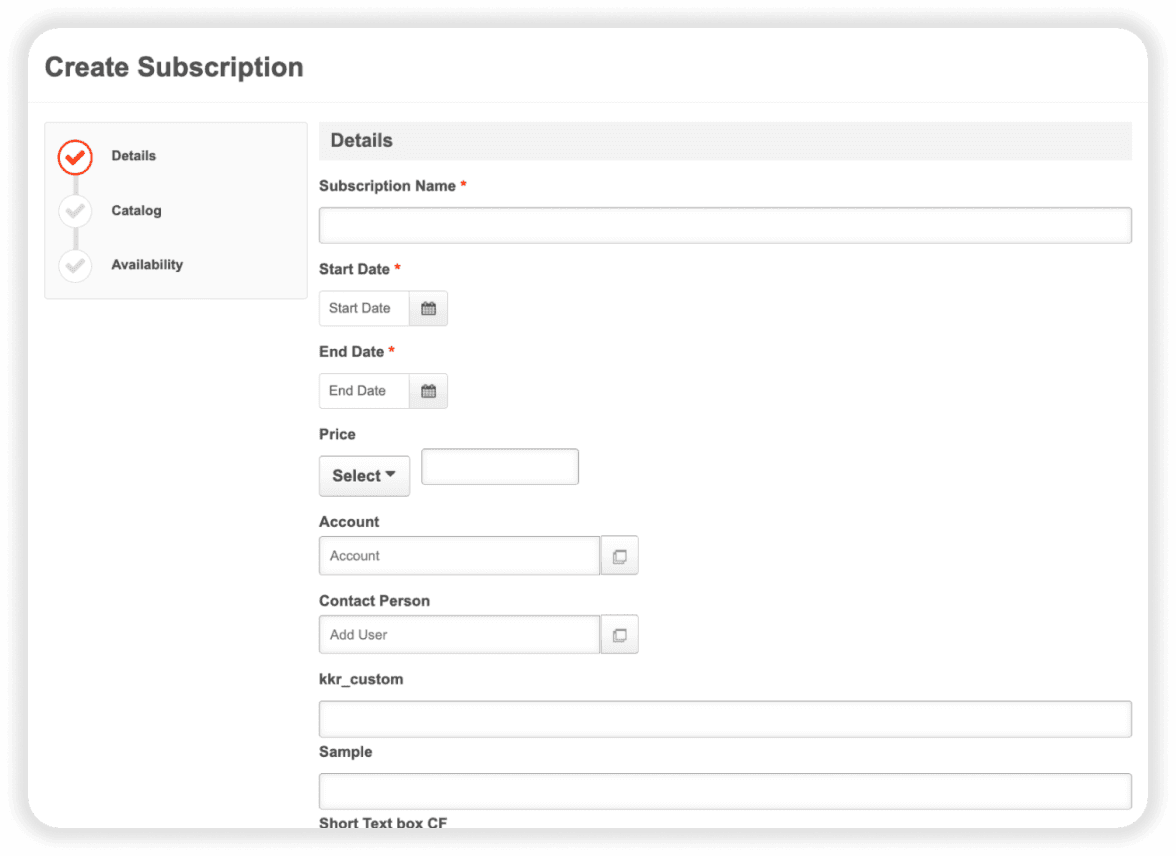
Examples
There is no way to duplicate, templatize or save drafts
Editing an existing subscription risks removing access for learners
Impact
Admins struggle to quickly adapt subscriptions to client needs or maintain a consistent experience
PROBLEM 2
There is no automation
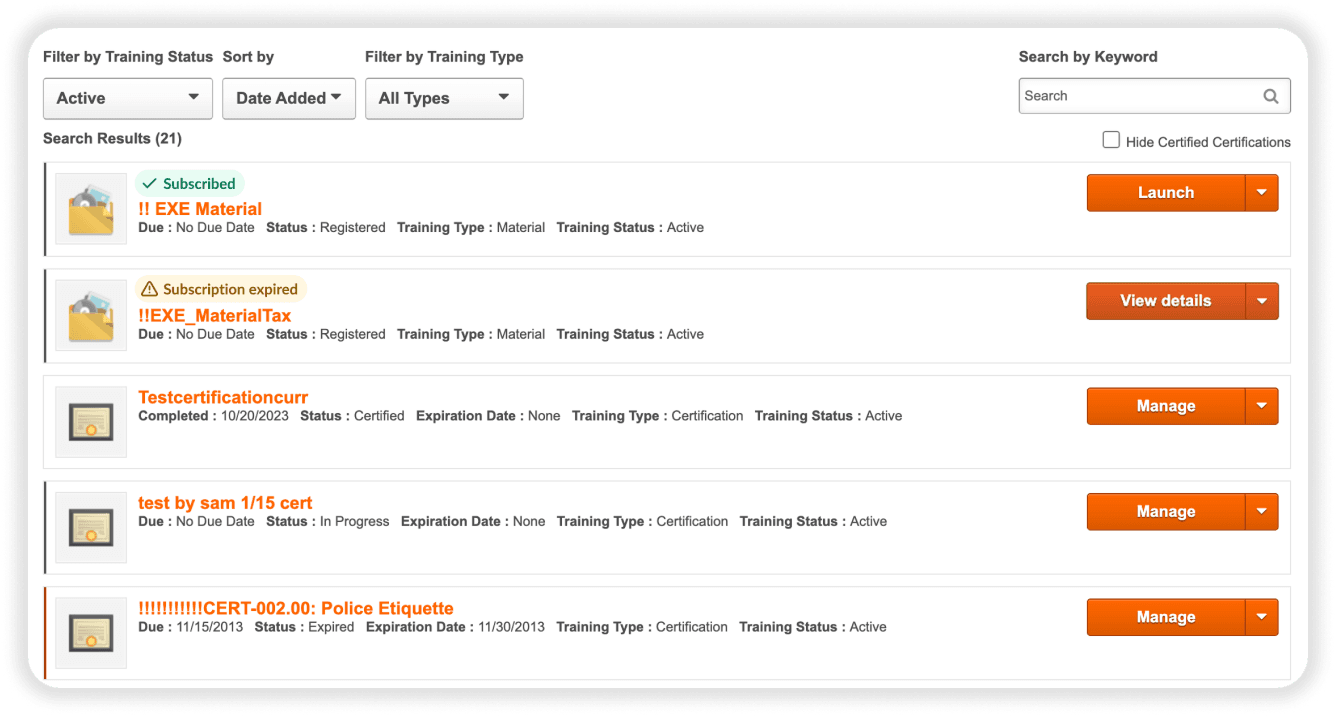
Examples
Learners who purchase subscriptions aren't automatically registered as authorized users
In-progress courses from expired subscriptions aren't made available again once a subscription is reactivated
Impact
Learners are frustrated by the delayed access to content, and may only have access to outdated versions.
PROBLEM 3
Statuses and metrics aren't communicated
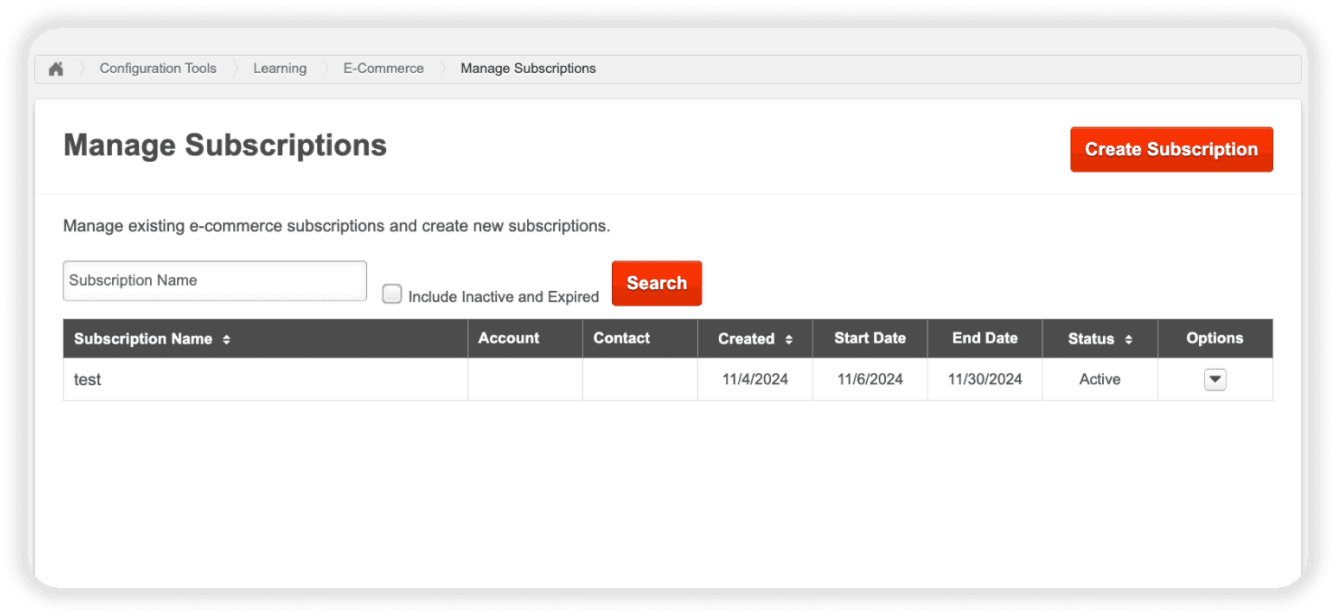
Example
The system doesn't provide a way to distinguish which subscriptions have subscribers
Impact
Admins have no clear way to monitor subscription health or usage at a glance
Understanding the competitive landscape
Learning about these limitations helped clarify what we needed to build, but it didn't provide any market insights. I researched platforms specializing in subscriptions, as well as direct competitors to see how they solved similar problems and how we could differentiate ourselves.
Fig. 00
Anonymous survey response
Our competitors optimized support for one market (B2B or B2C) but not both,
and very few had begun AI integration. While improving our own experience, I marked where we could address market gaps as well.
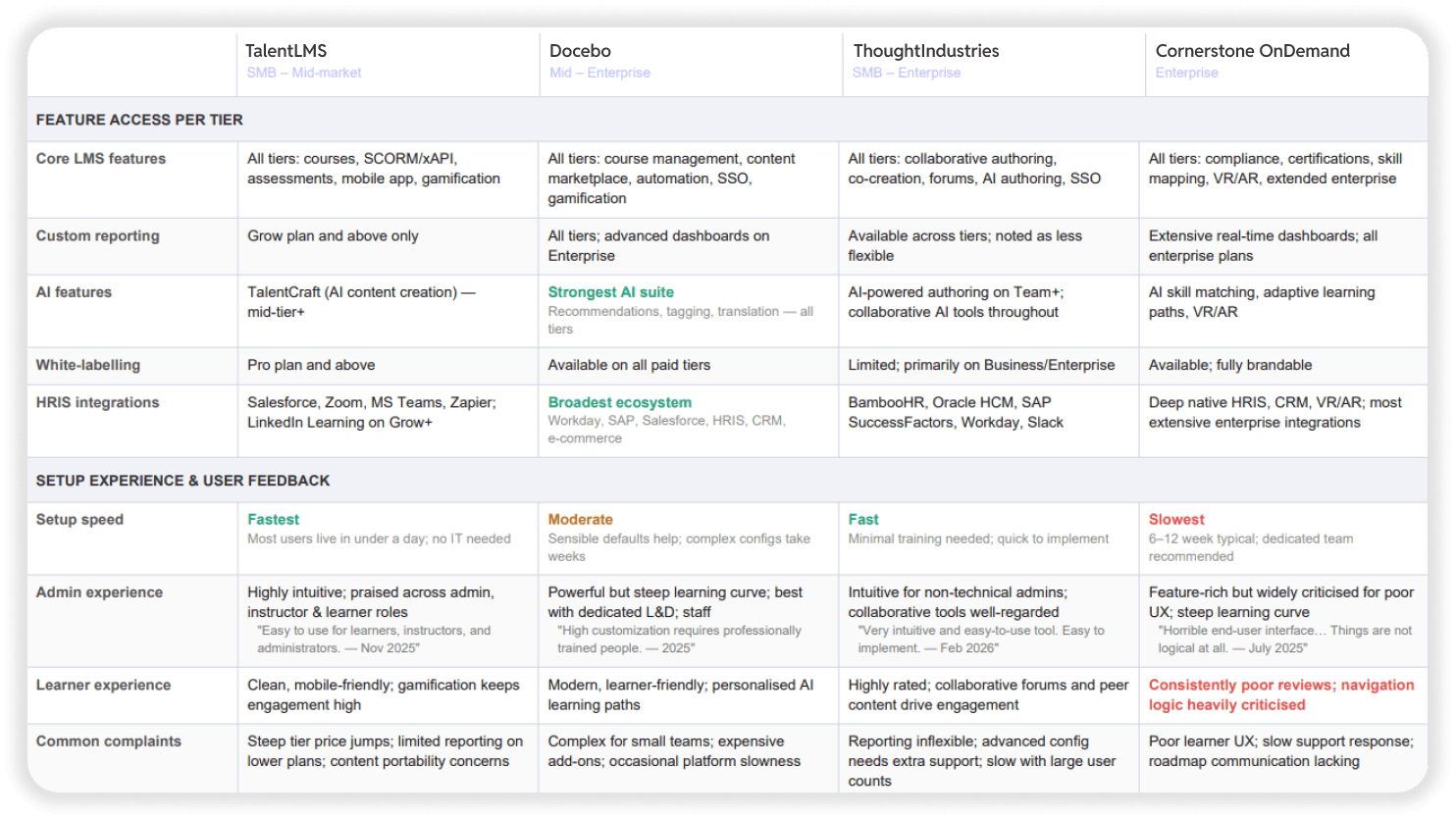
Fig. 00
Anonymous survey response
DEFINE
Prioritizing the admin experience
I set up a daily workshops with the PM and three lead engineers towards the end of February to translate pain points into actionable insights. Using how-might-we statements and user persona mapping, we whiteboarded potential user flows and tested them against client feedback.
How might we
Reduce the downstream impacts that occur when a subscription is modified?
Remove the access blockers for learners and admins on subscriptions?
Improve clarity on learner and subscription usage data?
How might we
Reduce the downstream impacts that occur when a subscription is modified?
Remove the access blockers for learners and admins on subscriptions?
Improve clarity on learner and subscription usage data?
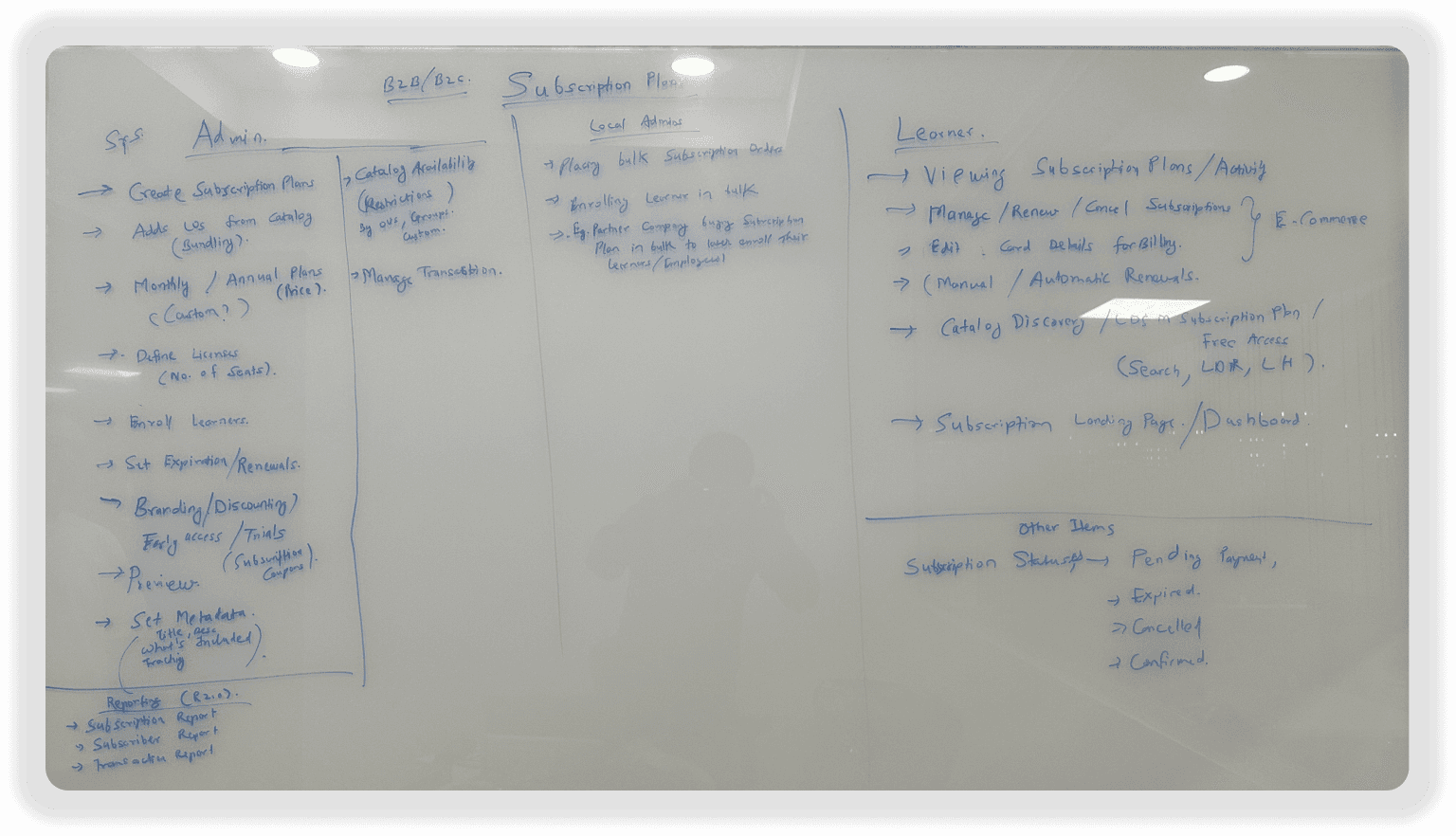
Fig. 00
Anonymous survey response
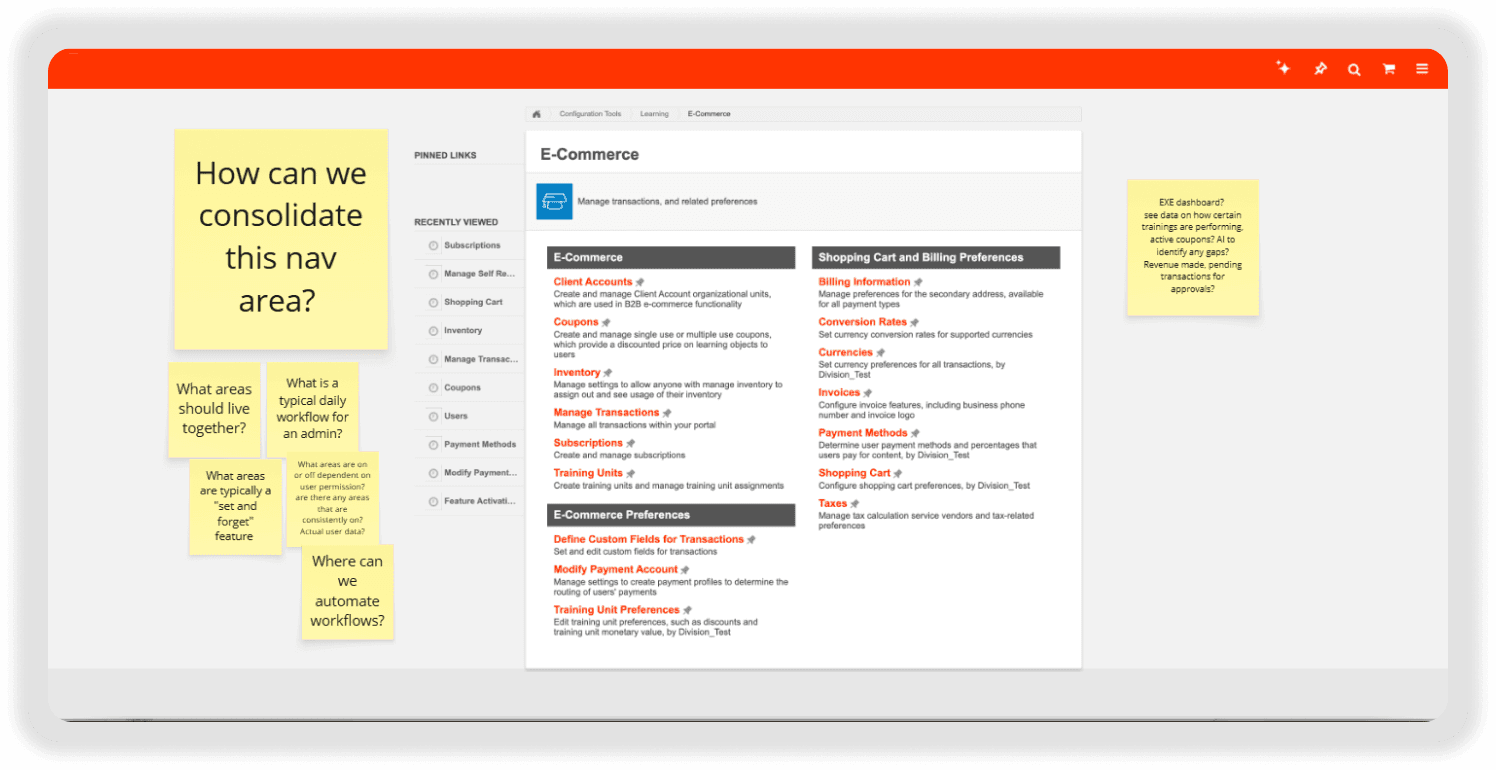
Fig. 00
Anonymous survey response
We identified three user archetypes, but narrowed our MVP down to the admin setup experience.
By prioritizing their workflow first, we could remove friction at the source and unlock adoption for end learners. This also surfaced the limitations of the legacy system as the product’s foundation. It couldn’t support the admin experience we needed to design, and the team acknowledged we needed to upgrade.
DEVELOP & DELIVER
Securing the greenlight
With only 26 days remaining to deliver a working prototype, my design exploration had to be strategic. Instead of starting completely from scratch, I leveraged existing design patterns from our other product areas and built on our evolving design system, which was moving toward design tokens.
By adopting the updated system through a React rebuild, we aimed to reduce manual rework for engineers and ensured our new subscription experience aligned with the broader product direction.
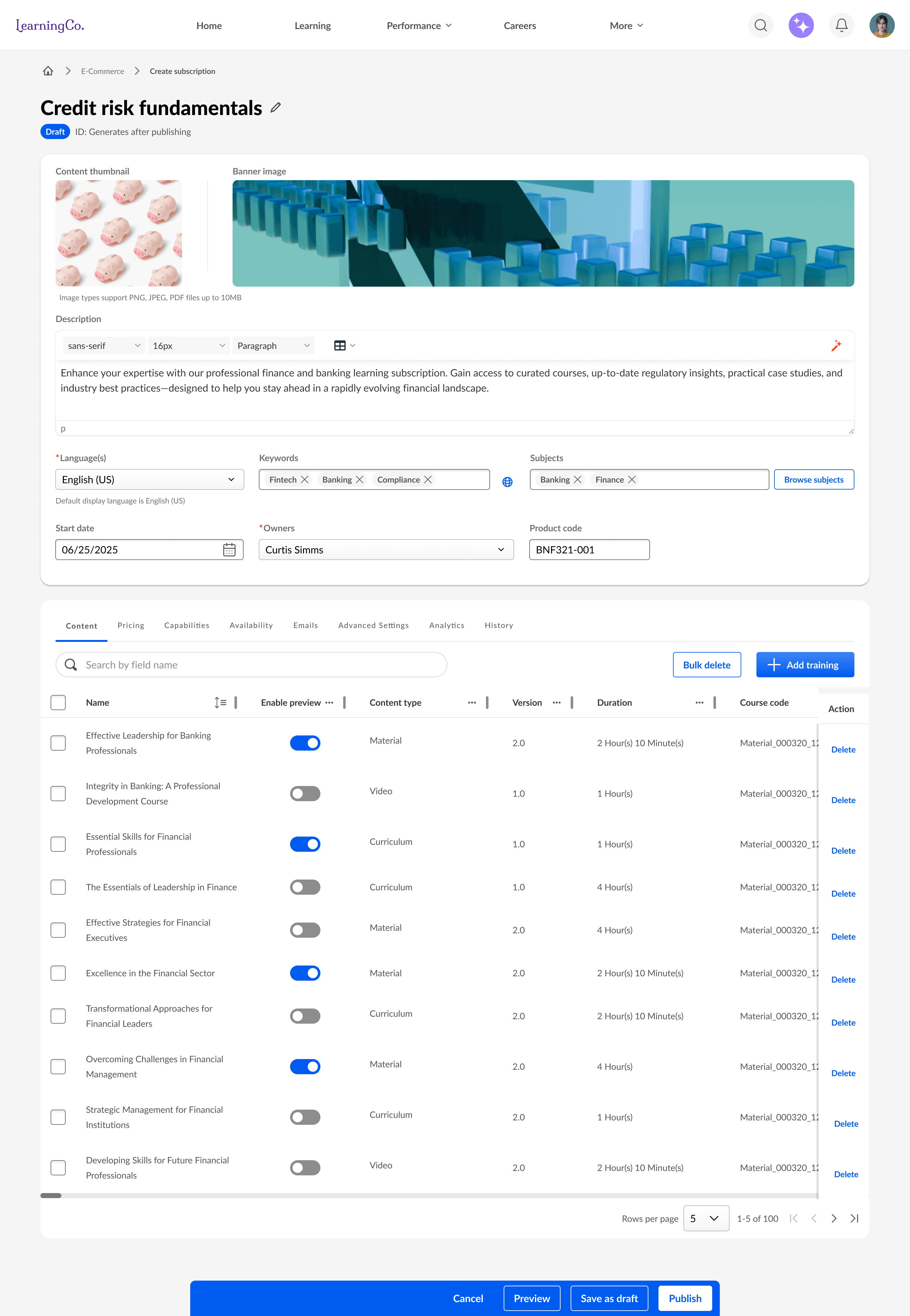
We moved away from the wizard which required step-by-step navigation and divided the admin setup into two sections. This is based on validated patterns we identified in other product areas and prevents unnecessary learning curves as we scale subscription management.
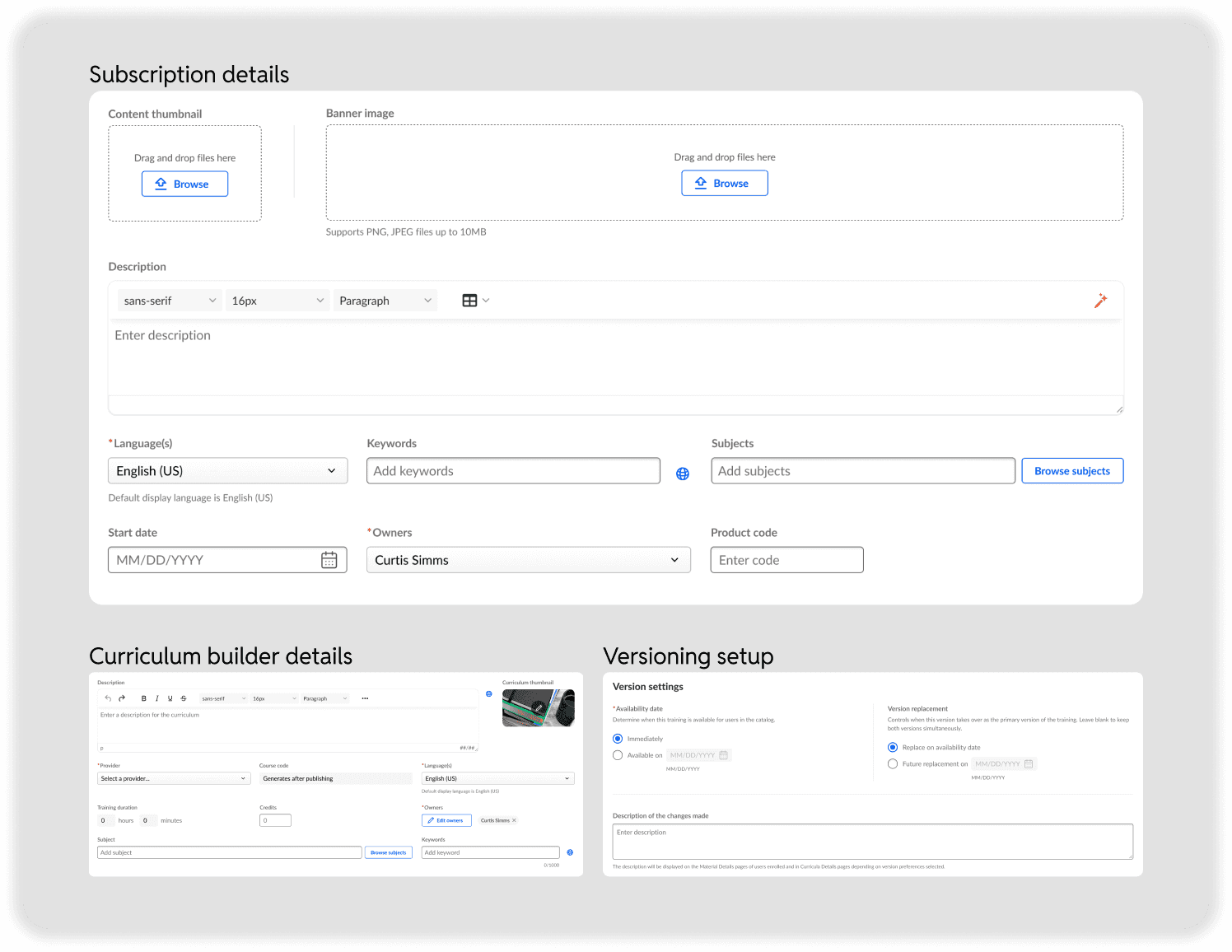
Fig. 00
Anonymous survey response
Based on the workshop userflows and ideas, I created high-fidelity prototypes for both internal showcase and user validation. Testing revealed promising results for users who were able to experience the full prototype flow. For users who encountered technical limitations in the prototype (certain screensizes cut off the prototype footers 🙈), I iterated on their feedback and sent revised prototypes to validate the improvements.
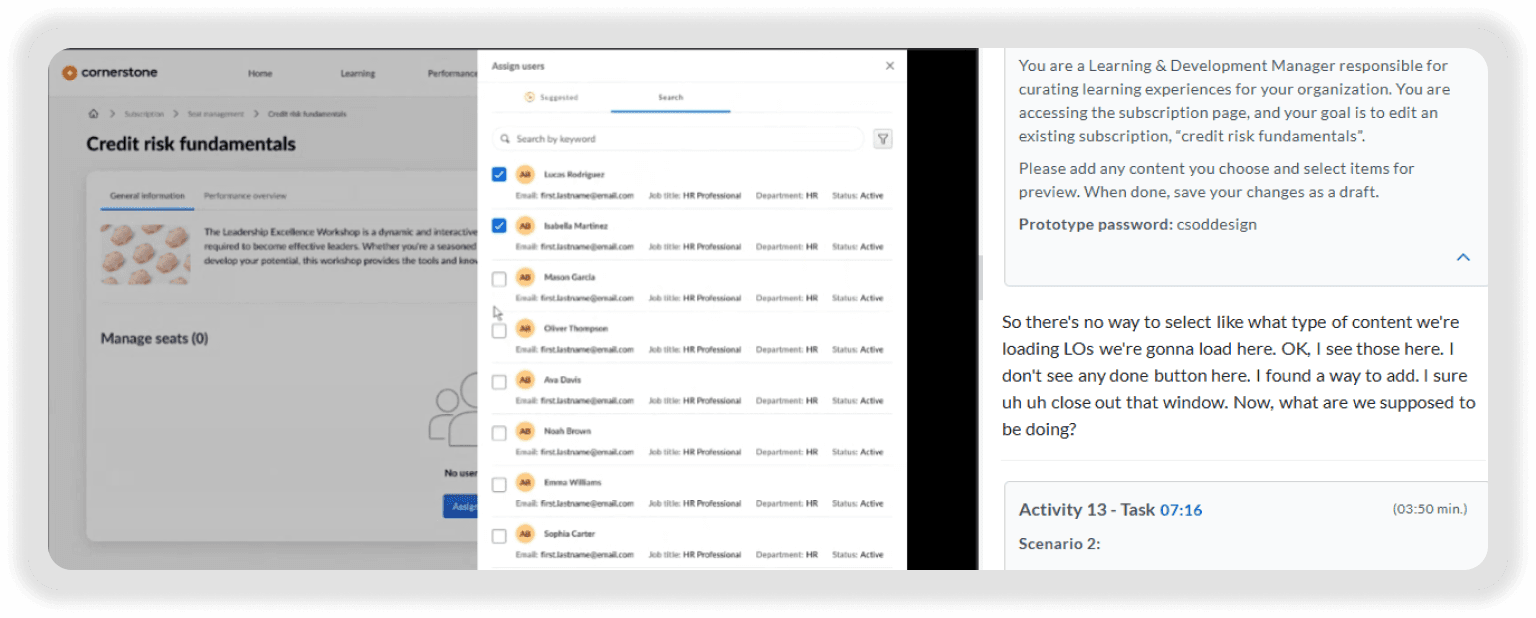
Fig. 00
Anonymous survey response
By late March, the working prototype secured the official greenlight from leadership and moved into full development. The MVP was essential: without tangible proof of concept, the entire rebuild risked being shelved again. Instead, we had validated both the vision and the viability.
Impact and additional flows
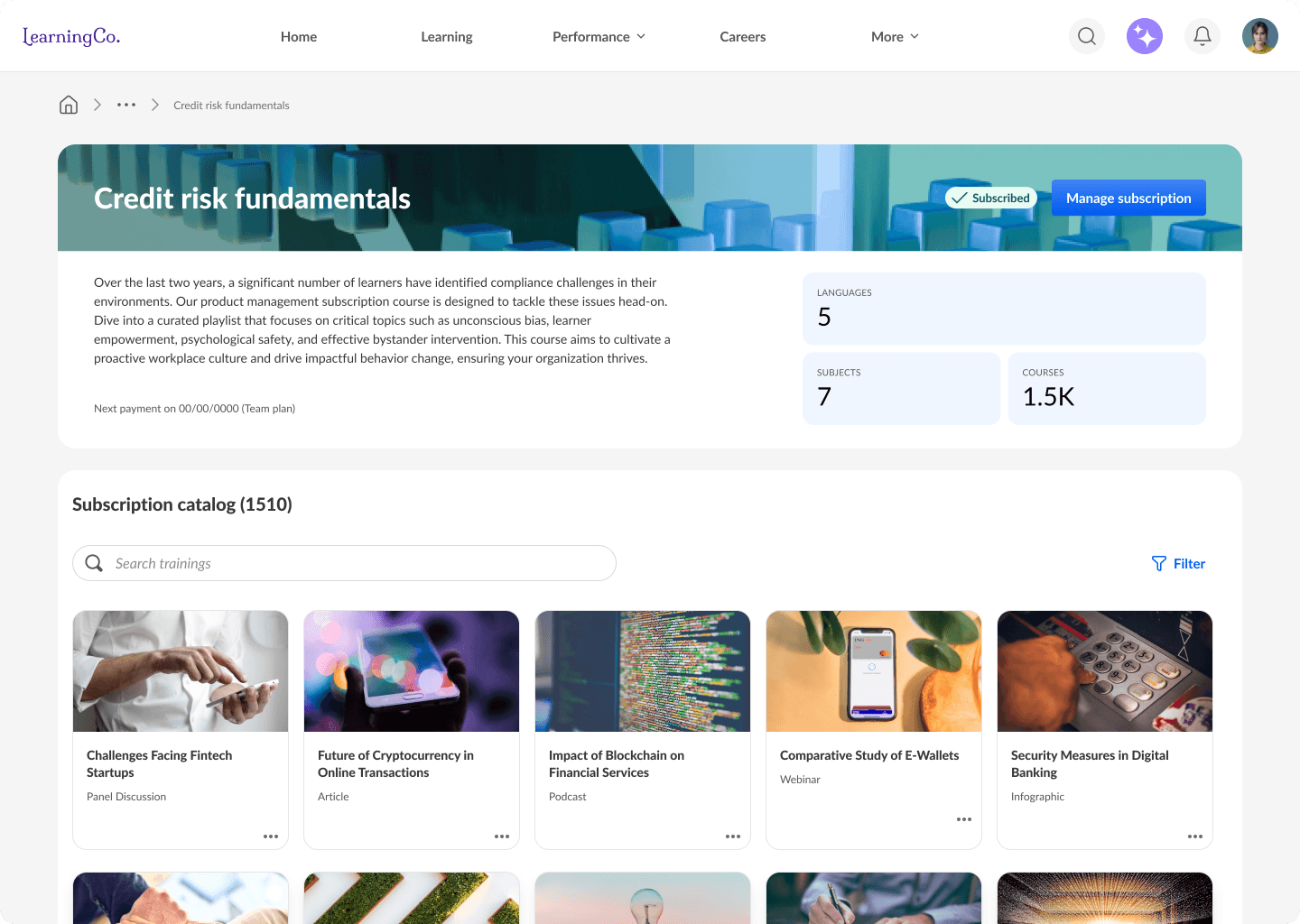
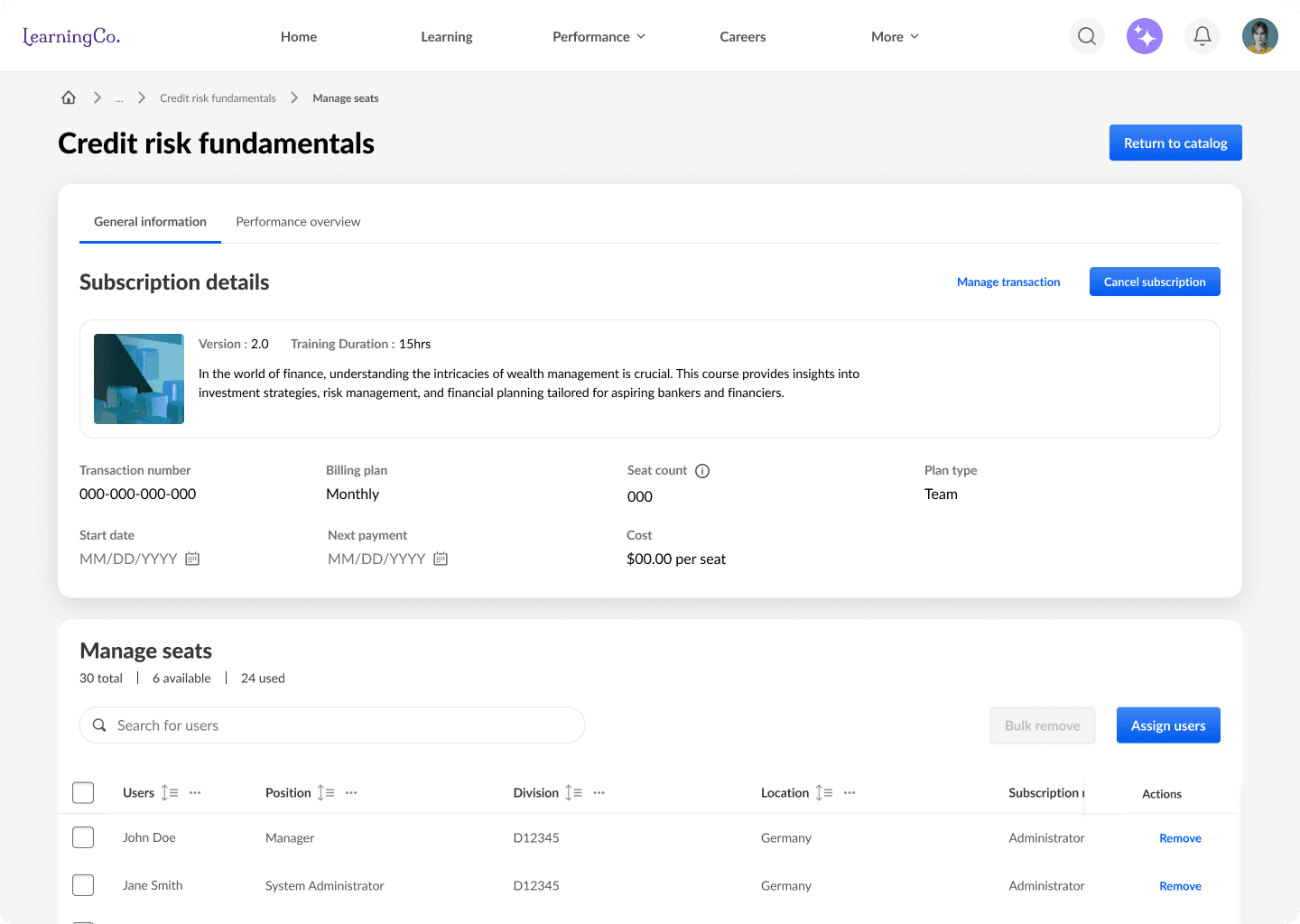
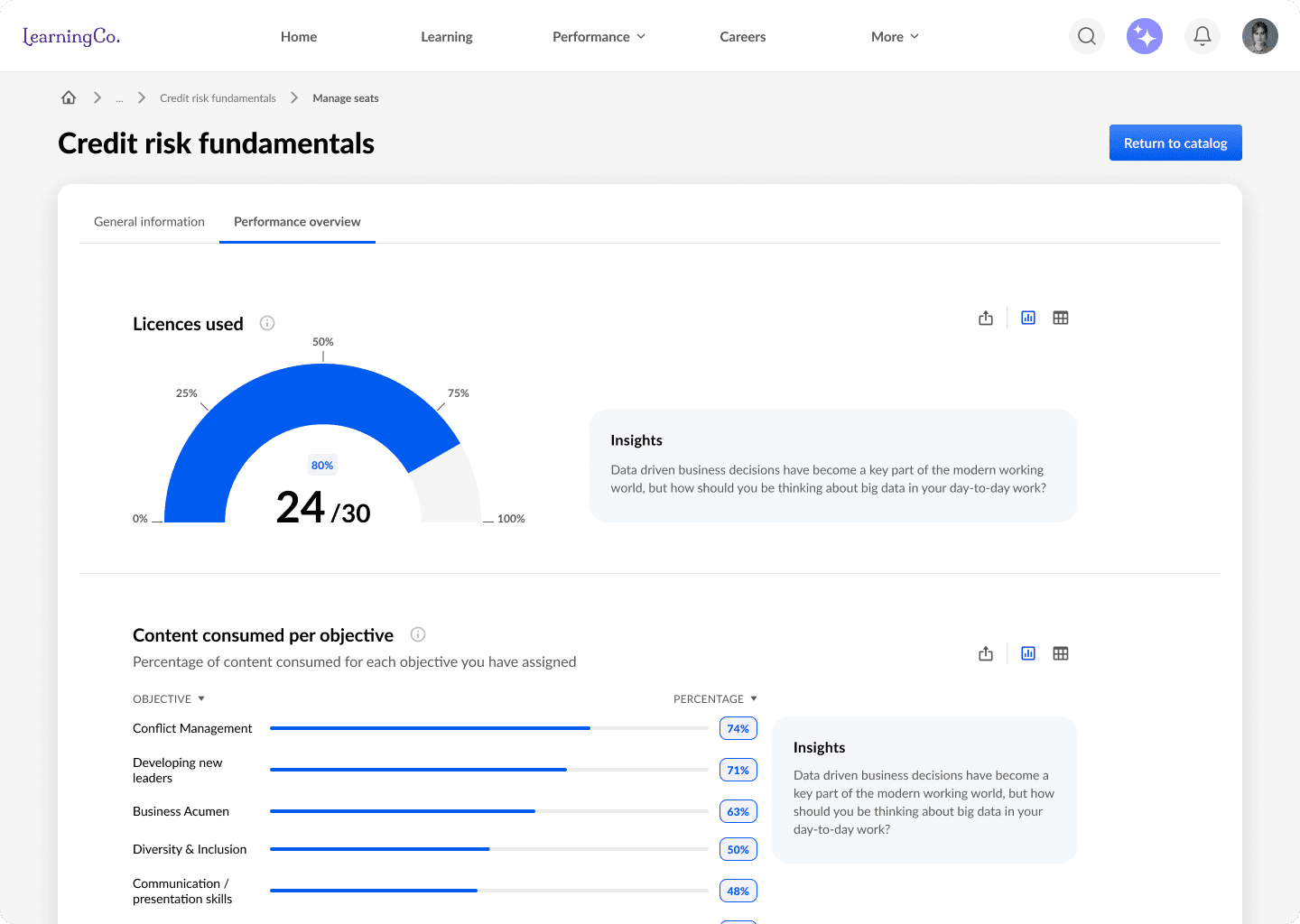
The subscription redesign was successfully shipped during the November 2025 release as an open beta for all extended enterprise clients.
As of March 2026, 45 portals are running in production and 128 are in stage environments, with more adopters looking to commit.
To access a brief clickthrough with full screens, please click ✨here✨.
45 portals in production
$74.3M ARR contribution
7 contracts renewed
12+ in discussion
7
contracts renewed
45+
active portals
40%
Manual work reduction